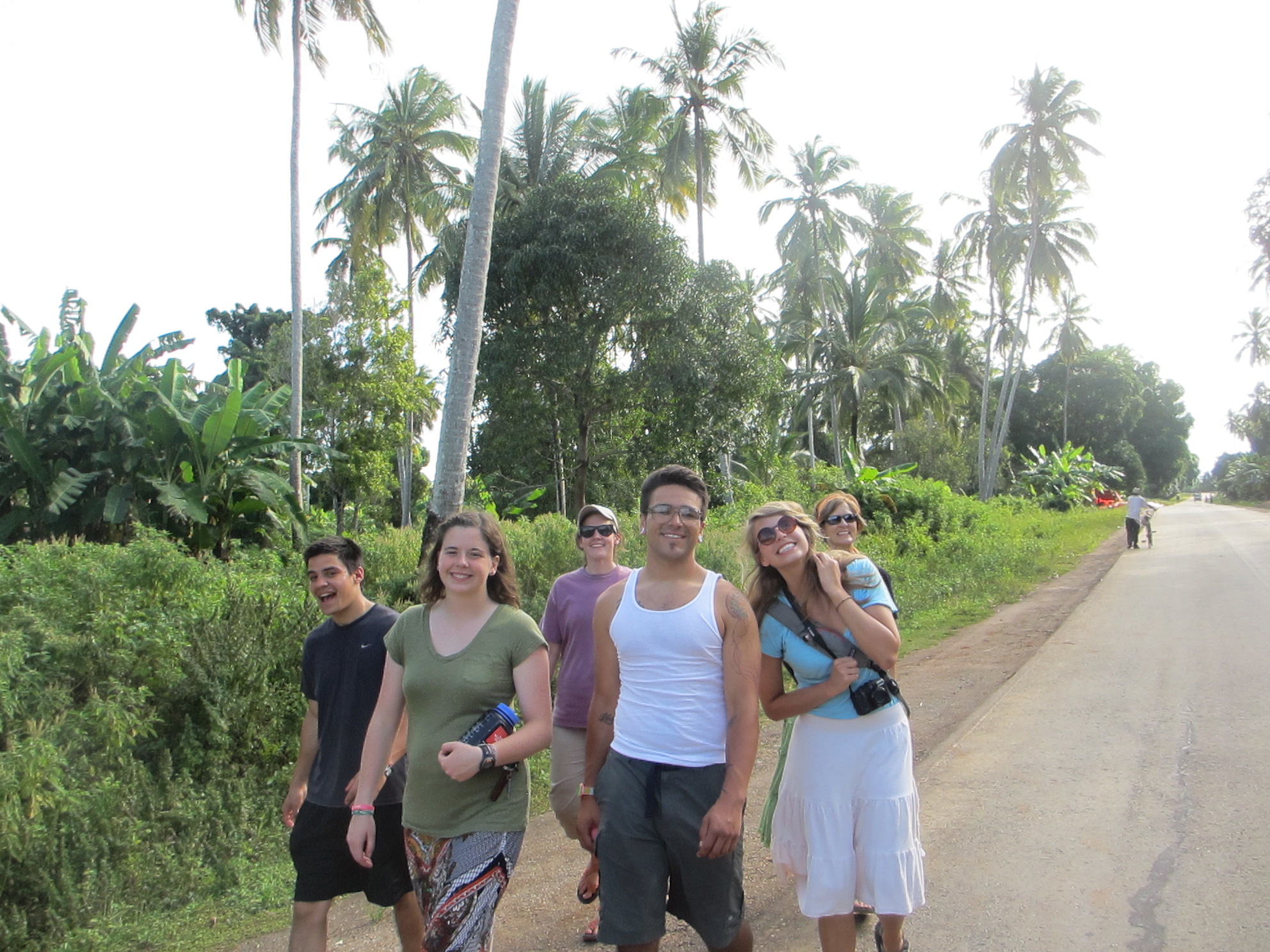
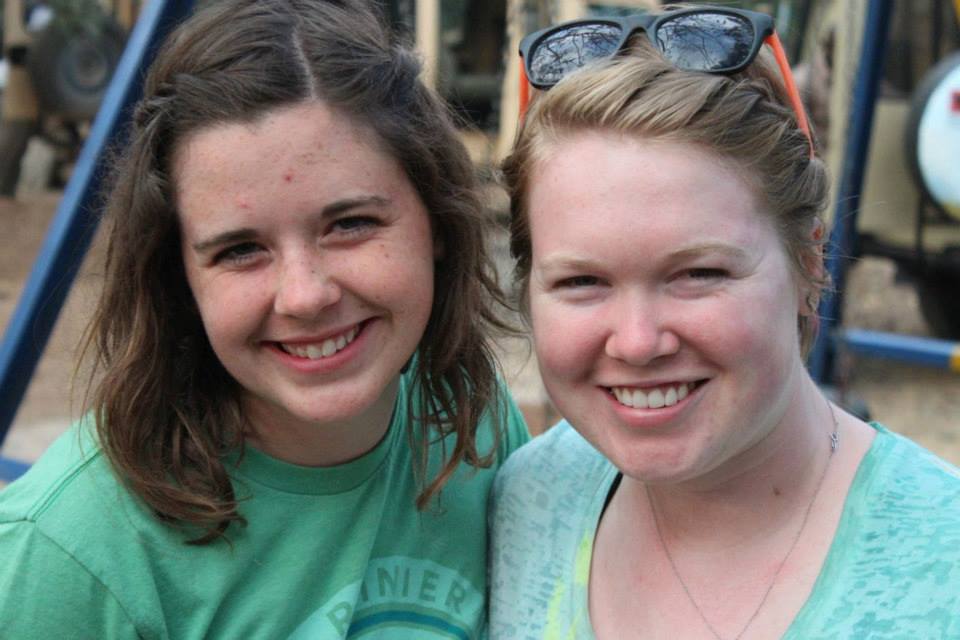
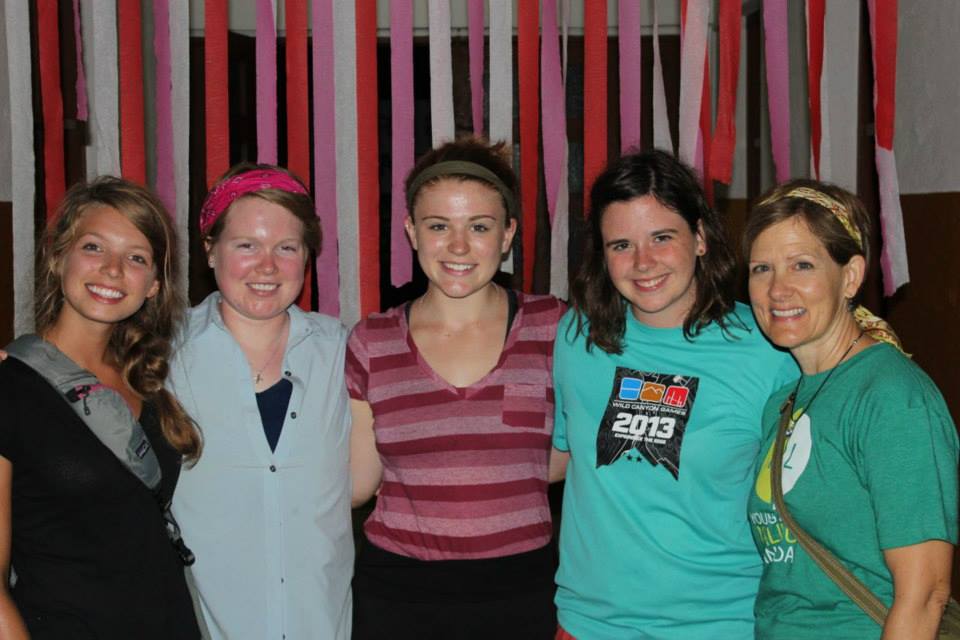
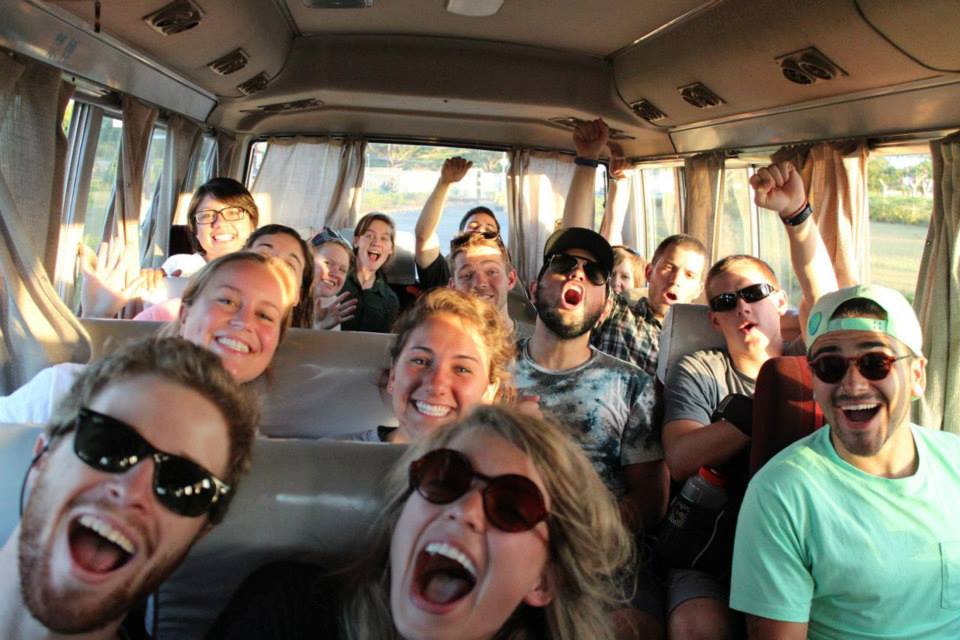
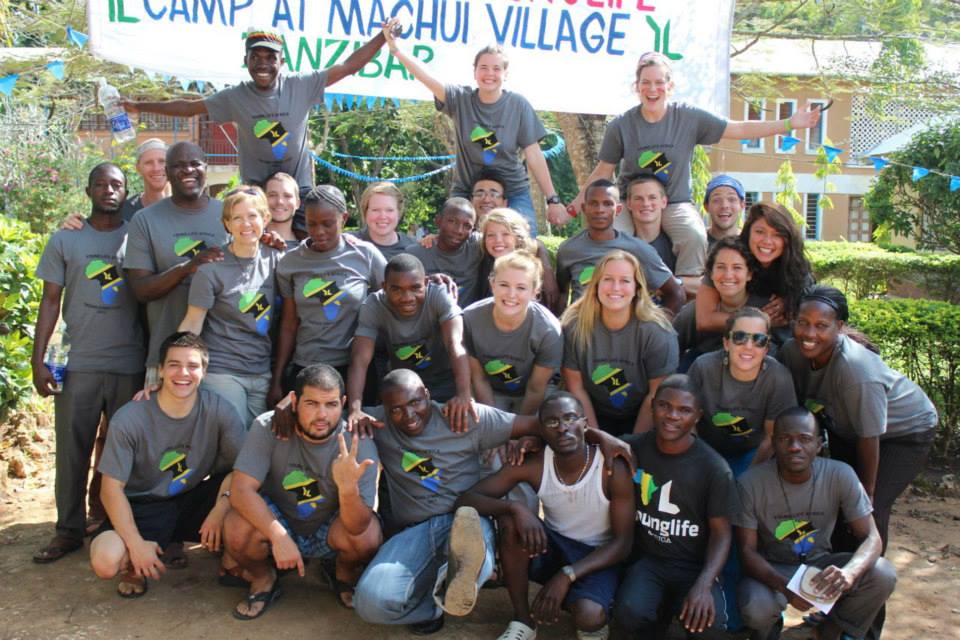
In 2013, I had the immense privilege of spending a month in Tanzania, Africa, with Young Life. We book-ended our travels in Dar es Salaam, but for a large portion of our trip, the group stayed in Machui, a small village about an hour inland from Stonetown in Zanzibar.
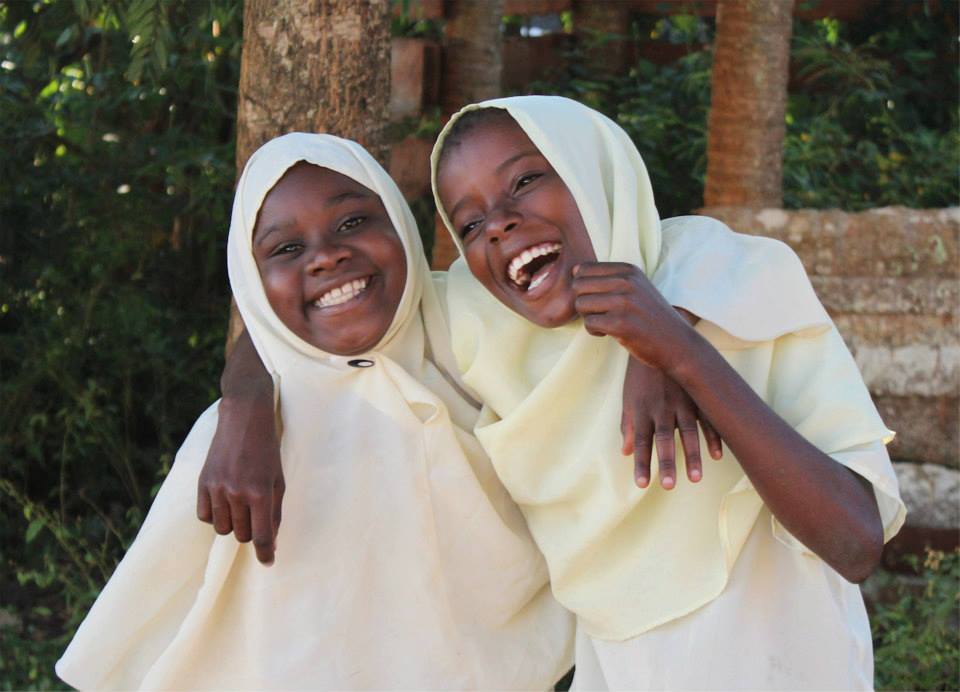
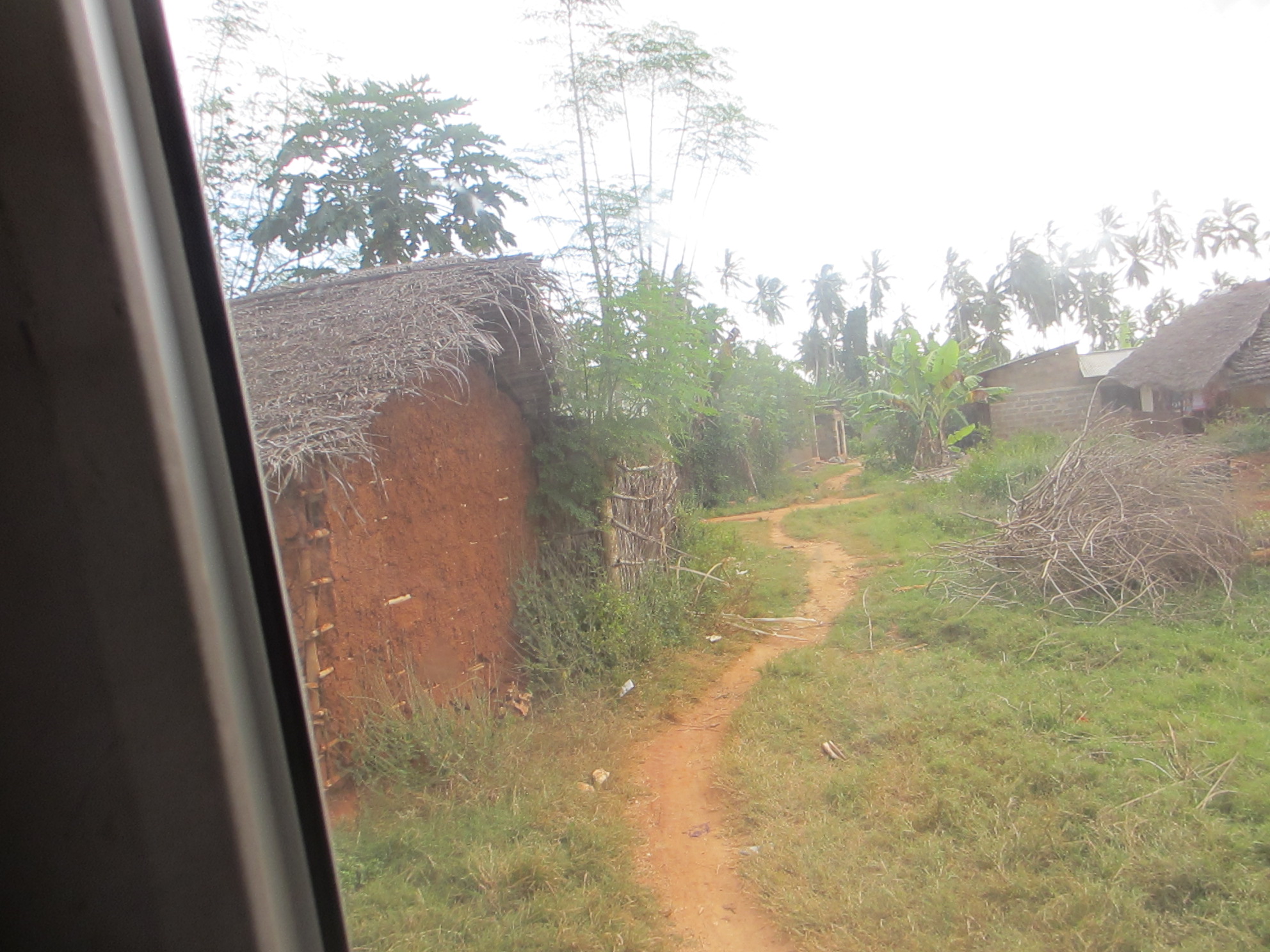
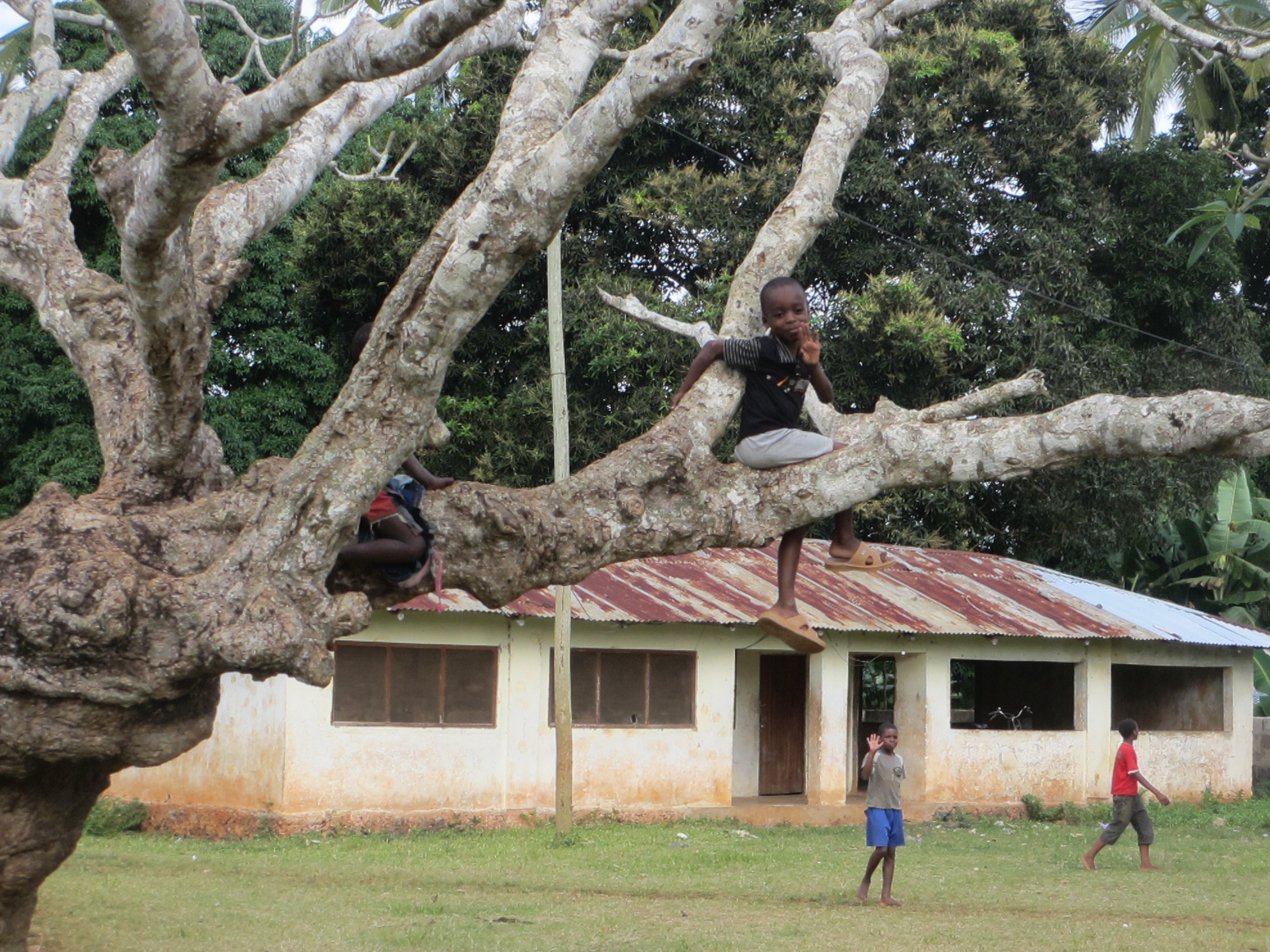
When I say small village, I really do mean small village. We were able to walk through it in about fifteen minutes or less, and everything lay on the main path. There were a handful of merchant stalls selling products from fruit to shoes by the paved road, a mosque, a Muslim school, a Catholic Church, and the rest were homes. A few other churches (Muslim and Christian) were dispersed throughout the village. At the end of the road lay the convent where we stayed, and right behind that, the last part of the village, was a secondary school.
As you progress through these photos, please remember they were taken in 2013 on 2013 cameras and flip phones!
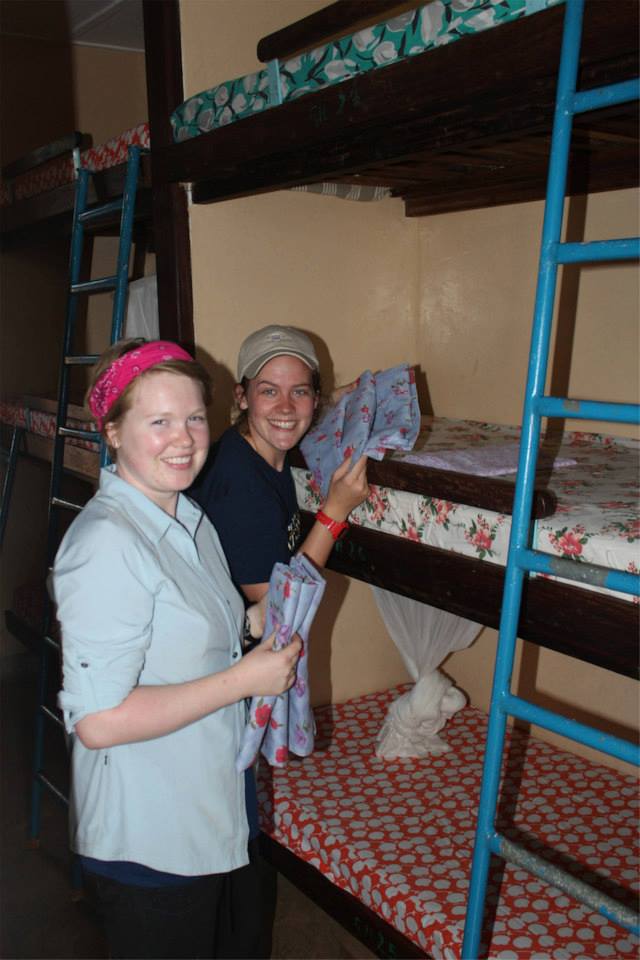
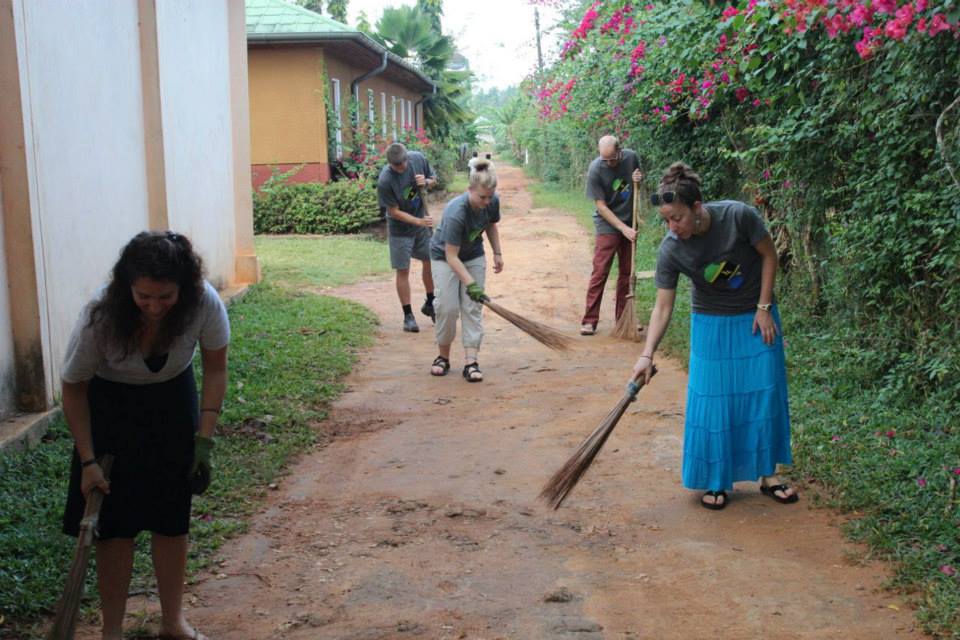
During the first part of our time at the convent, our job was to prepare the convent for a week-long summer camp for teenagers. Our team was split into three groups: kitchen, H&H (Hospitality and Housekeeping), and ODC (Outdoor Crew). As part of the H&H crew, my group was responsible for cleaning all the sleeping quarters, placing mattresses, and folding sheets.
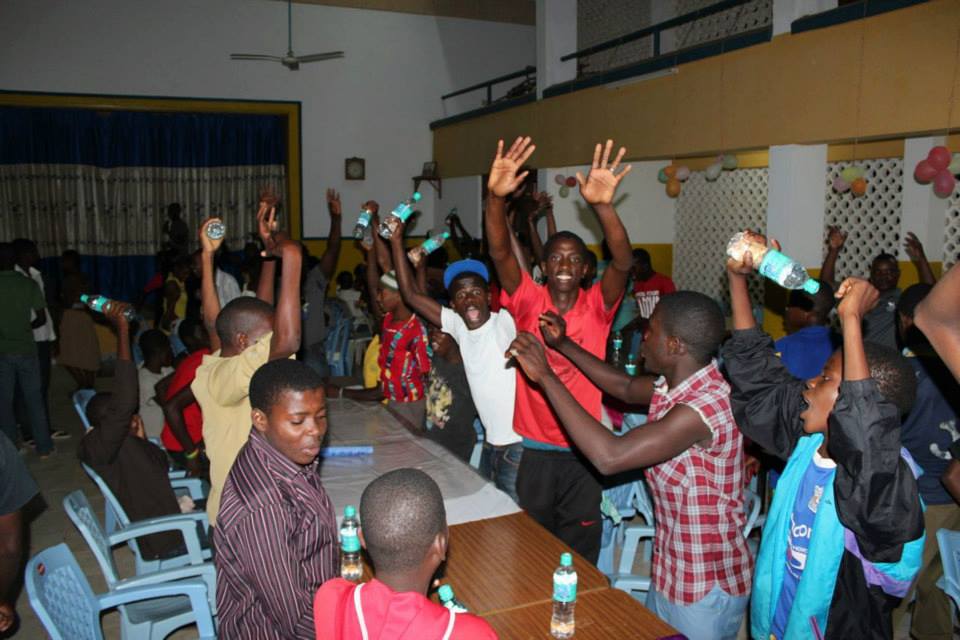
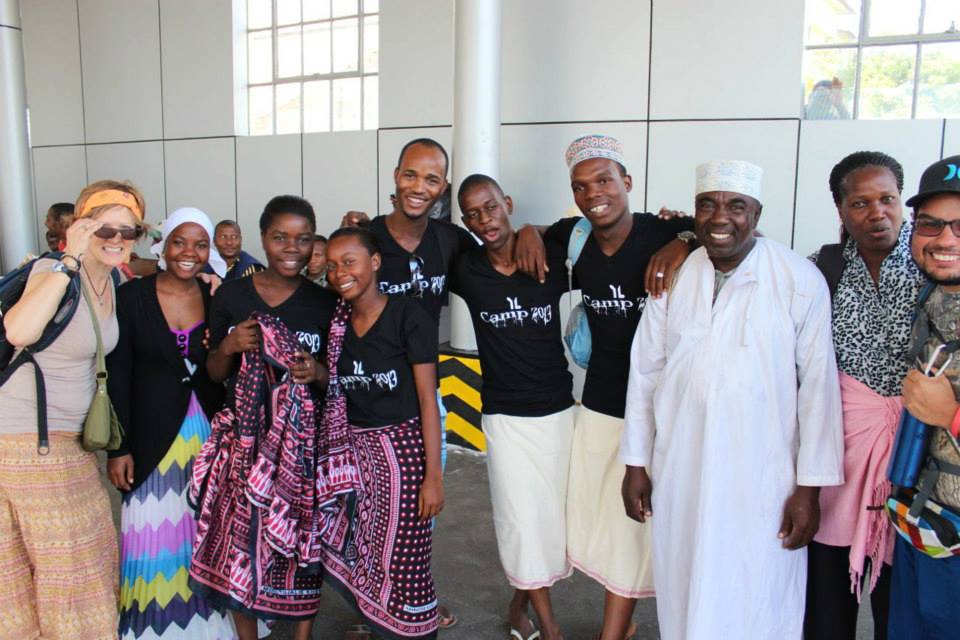
Before we knew it, campers arrived. We gave them a proper summer camp greeting, singing a song in Swahili, which I’ll write and translate below.
We sang: Jambo, Jambo rafiki. Habani gani? Nzuri sana. Karibu, karibu quetu Younglife yetu. Hakuna matata.
Translated: Hi, Hello friend. How are you? Very good. Welcome, welcome to our Younglife camp. There are no worries.
The fun thing about this song is that it’s actually a very popular Tanzanian song, formatted for YL. The Rafiki and YoungLife parts were inserted – the Rafiki part replaces a word in the original song that translates to ‘Lord’ or ‘Master.’ So switching the word to “friend” is significant in their culture. We learned that racial divides are still strong, as those with white skin are automatically considered upper class with an expectation to be served. However, we were a group of caucasian and white-presenting people who were deliberately serving them, which is an anomaly in their culture.
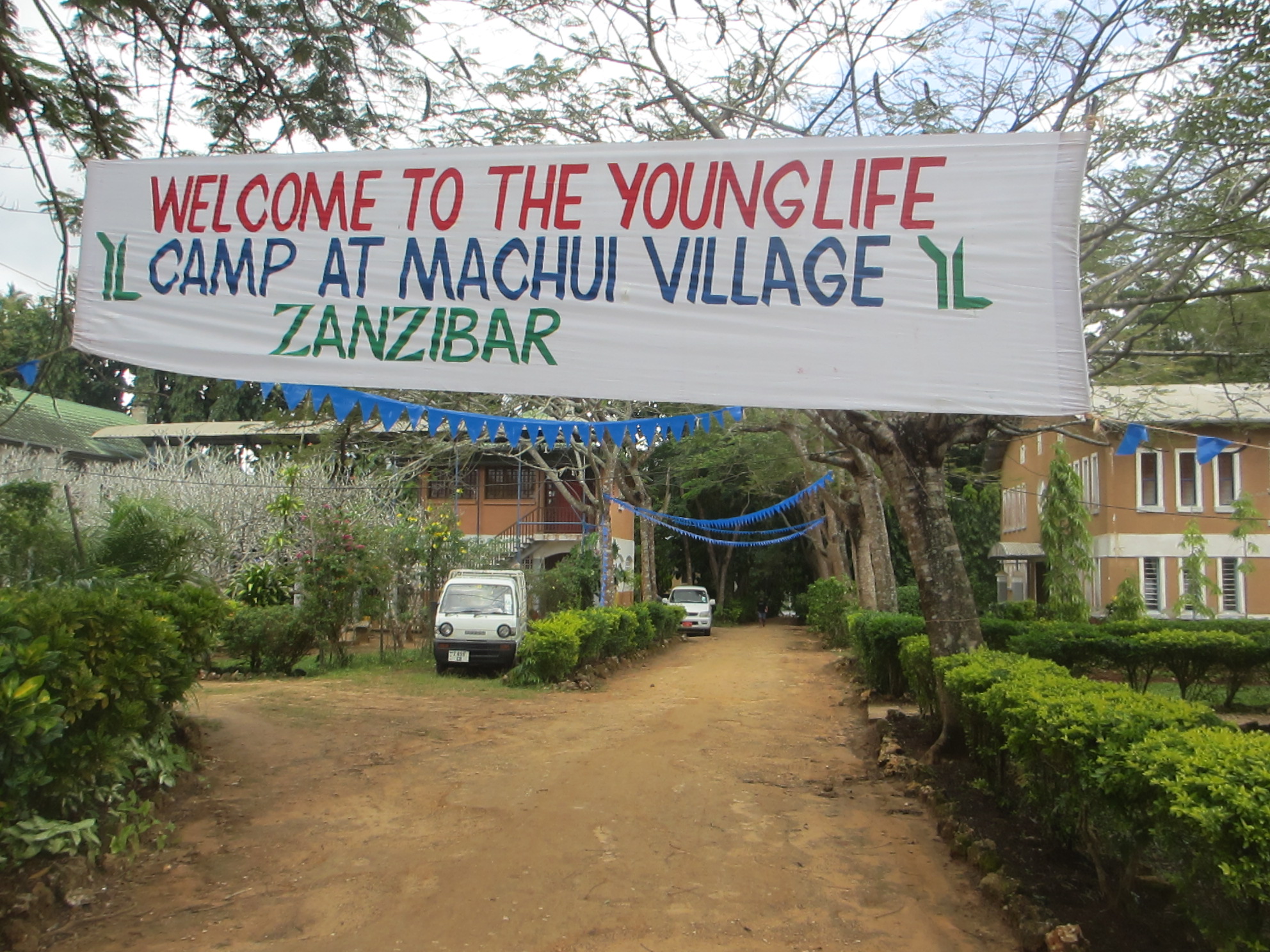
While campers were here, we continued our jobs within our respective teams. OCD kept the grounds clean, H&H kept the bathrooms and bedrooms clean, and the kitchen crew watched over the dining hall.
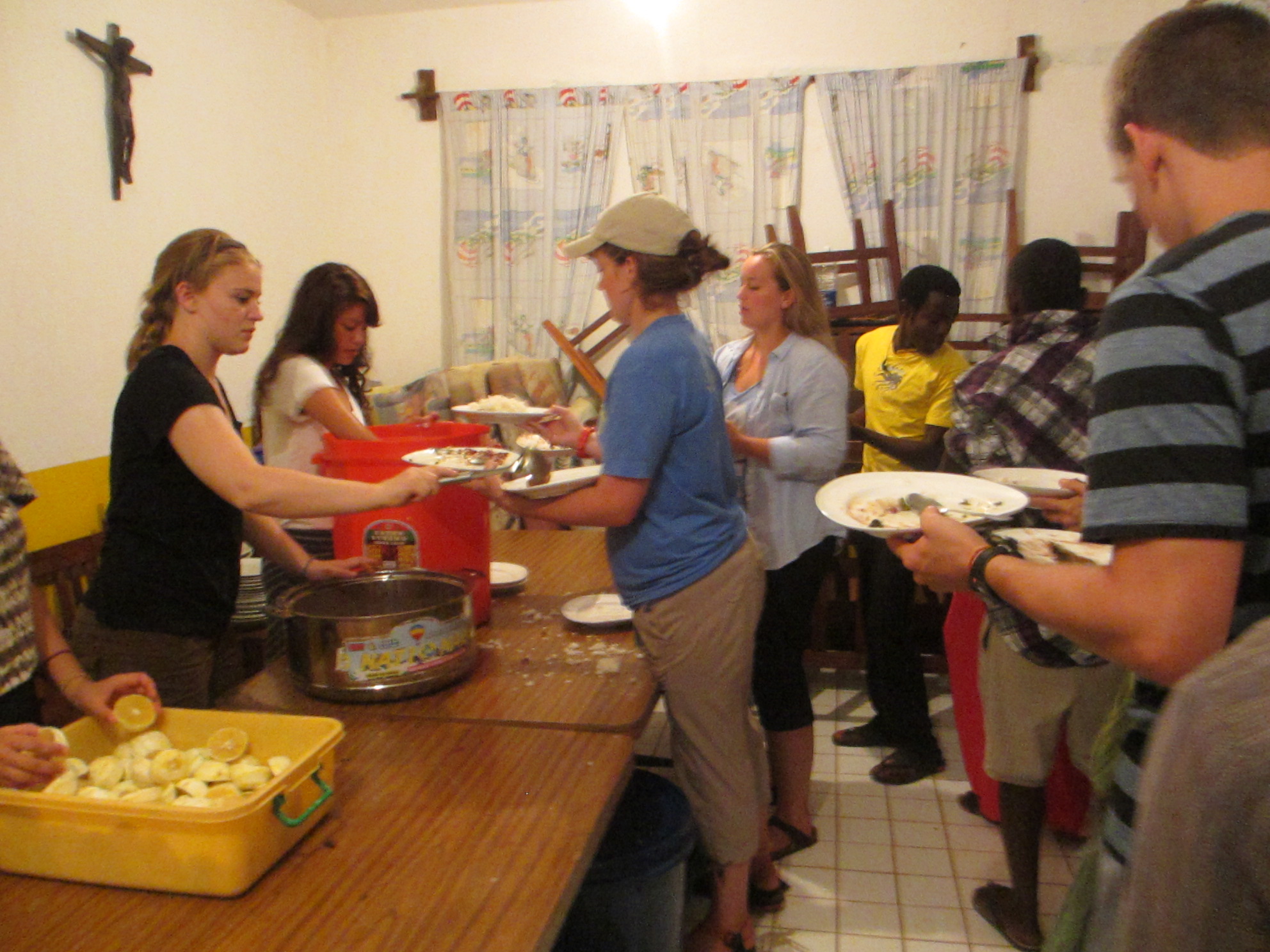
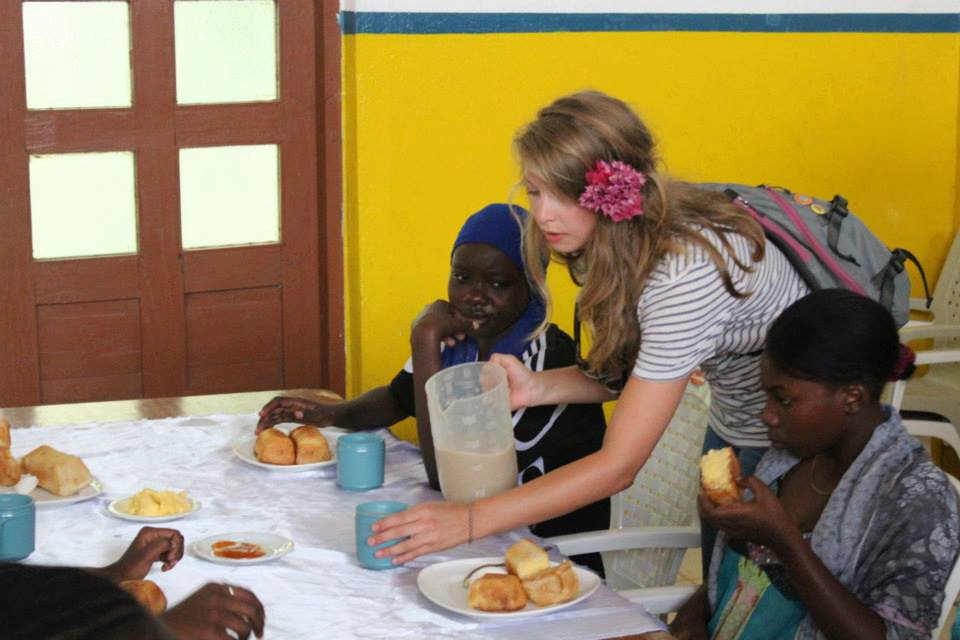
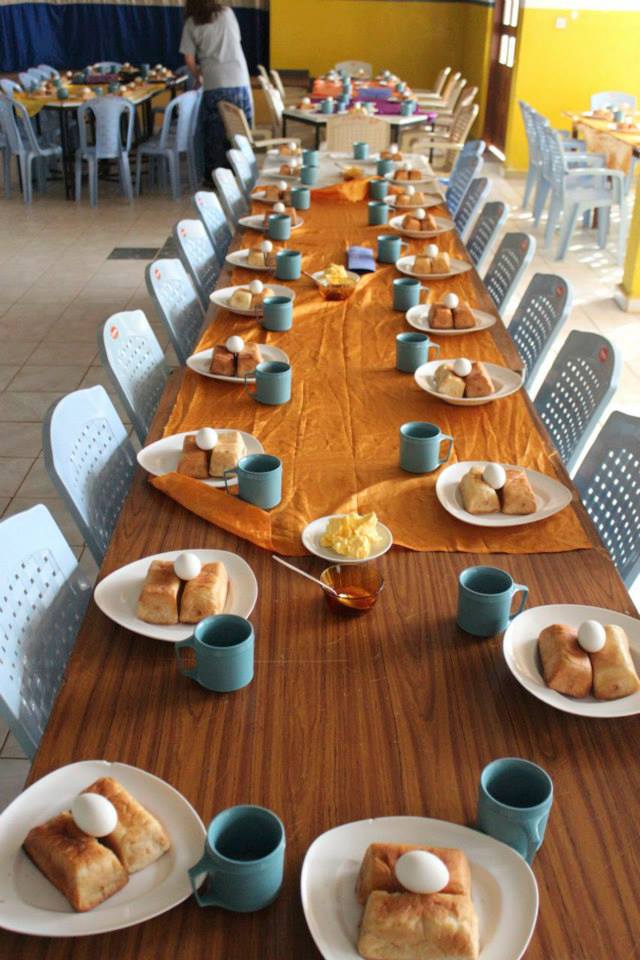
Meals were probably my favorite part. Everyone on the team came together to provide the best service to these teenagers. Due to cultural practices surrounding food sharing, we were deliberate in serving every camper per table at the same time. Otherwise, campers would not wait to eat nor wait for their own portions, so serving each camper simultaneously was the way to ensure every camper received a full meal. Therefore, we would line up, each staff member with two plates filled with food, and 15 of us would go out at once to serve a table.
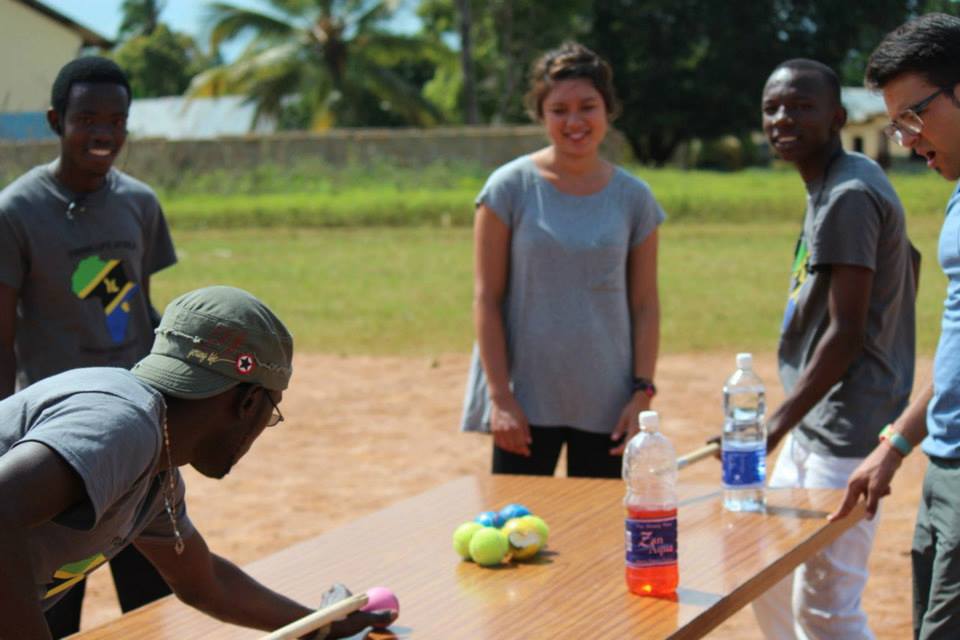
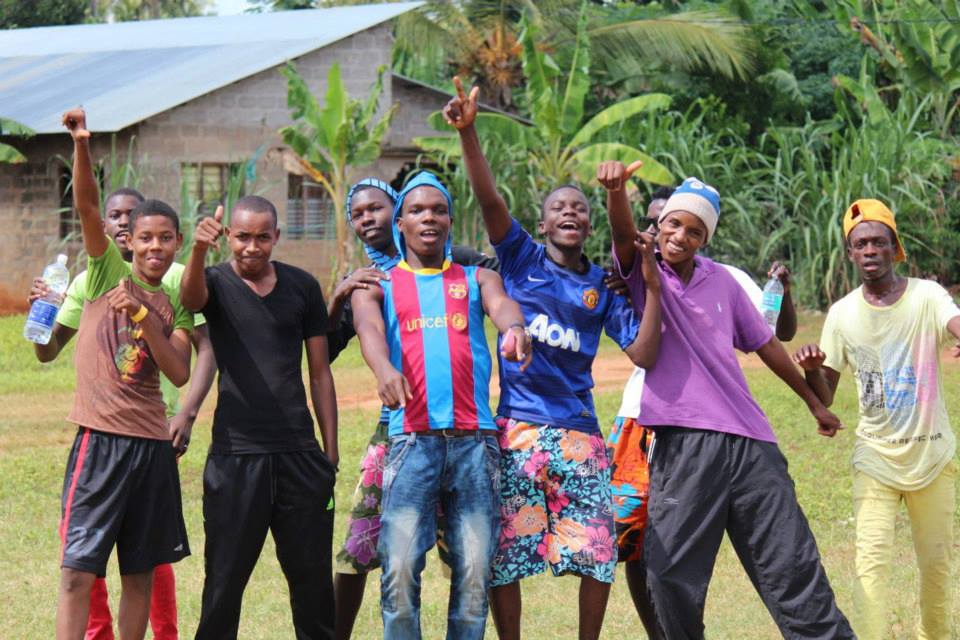
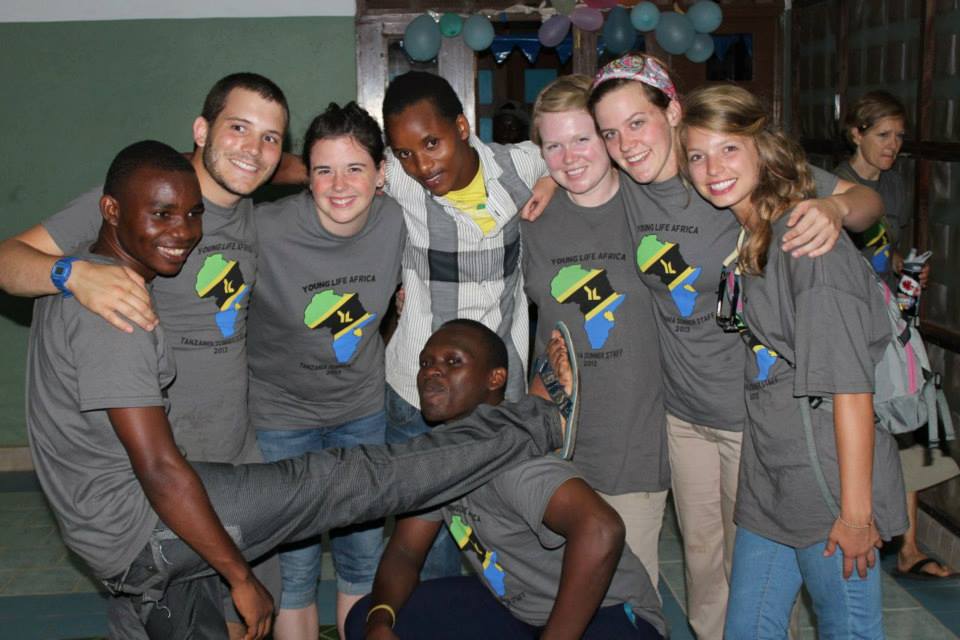
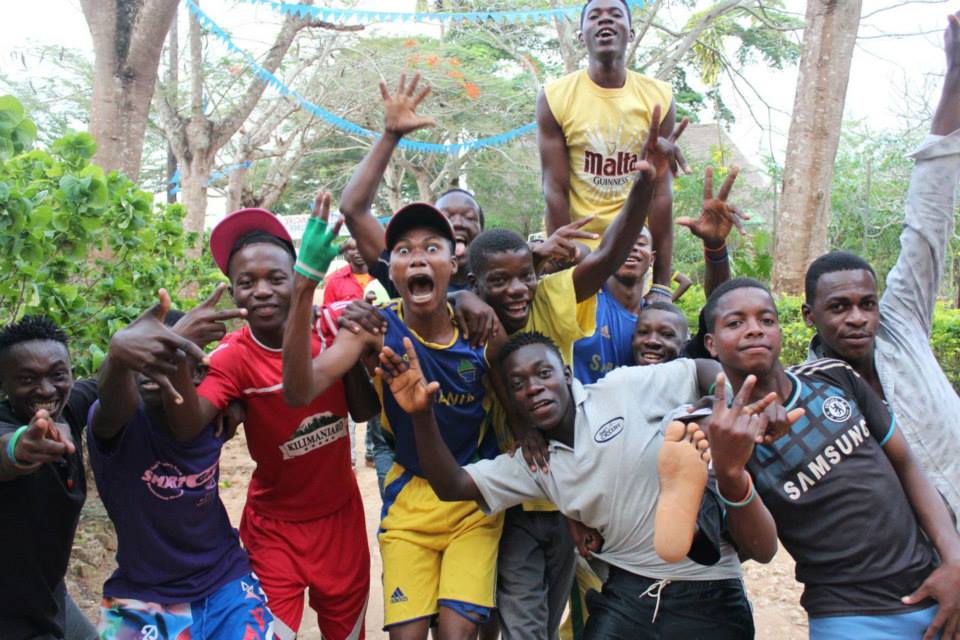
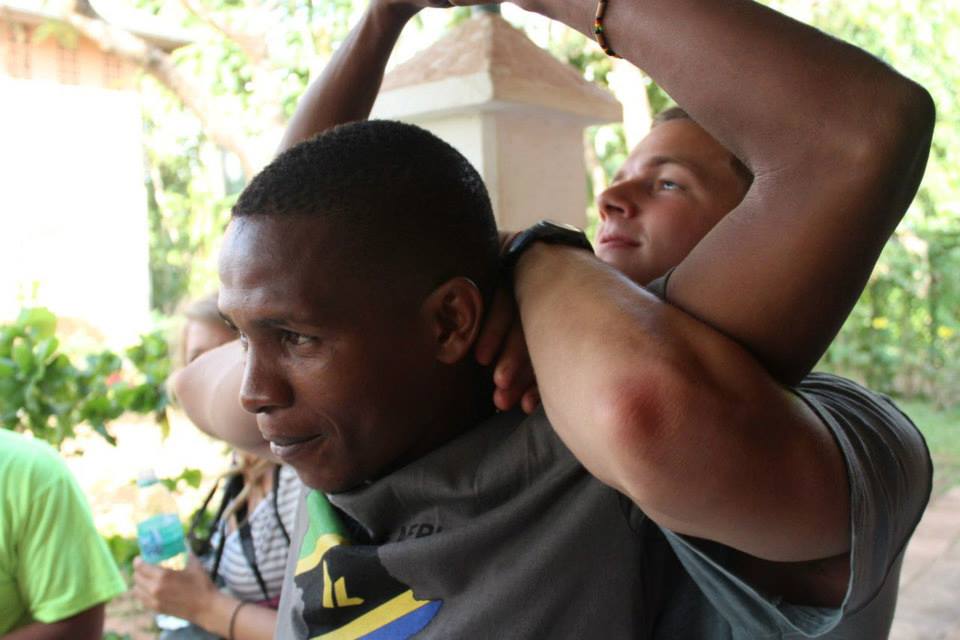
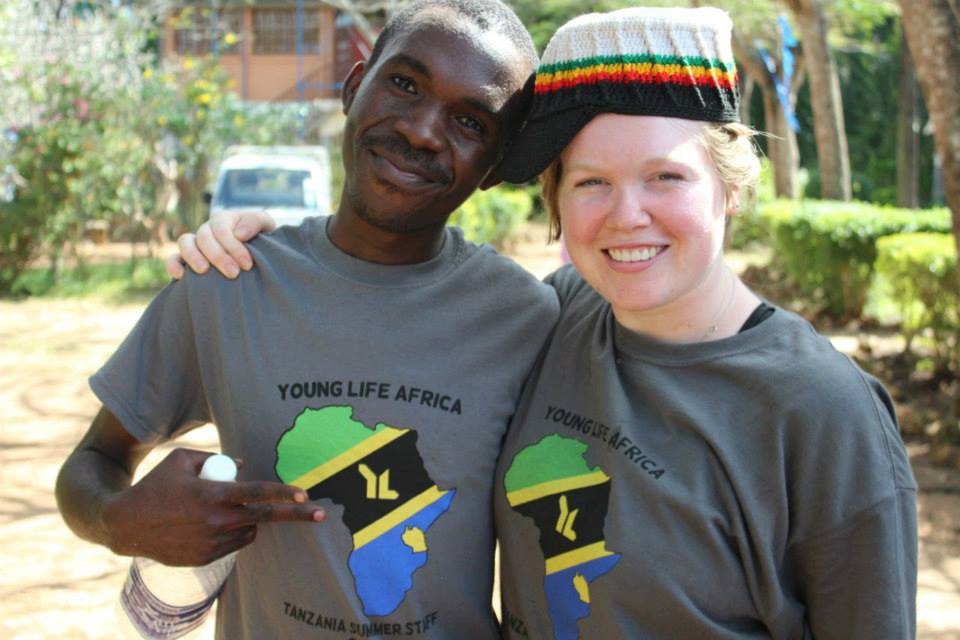
A fantastic part of serving at the convent was that we worked alongside other college-aged Africans who were serving with us. Folks like Innocent, Joseph, and Simon added a new aspect to our team, teaching us what it’s like to work cross-culturally, and learning to communicate despite a language barrier. I feel lucky to say that these guys quickly became our friends, and we were really sad to leave them.
After camp concluded, we had another week or so at the convent, able to complete other projects. Some of us were able to teach at the secondary school next to the convent; I taught Math for 3 days, to Standard 5, Form 1, and Form 3 students. That translates to elementary, 8th, and 11th-grade students. I had a blast! In the back of my mind, I had always considered teaching in a foreign country as a potential future occupation, and it was a privilege to experience a few days of doing so.
The team also built a fire pit at the convent, held a one-day camp, helped the nuns with housework, and performed other miscellaneous tasks.
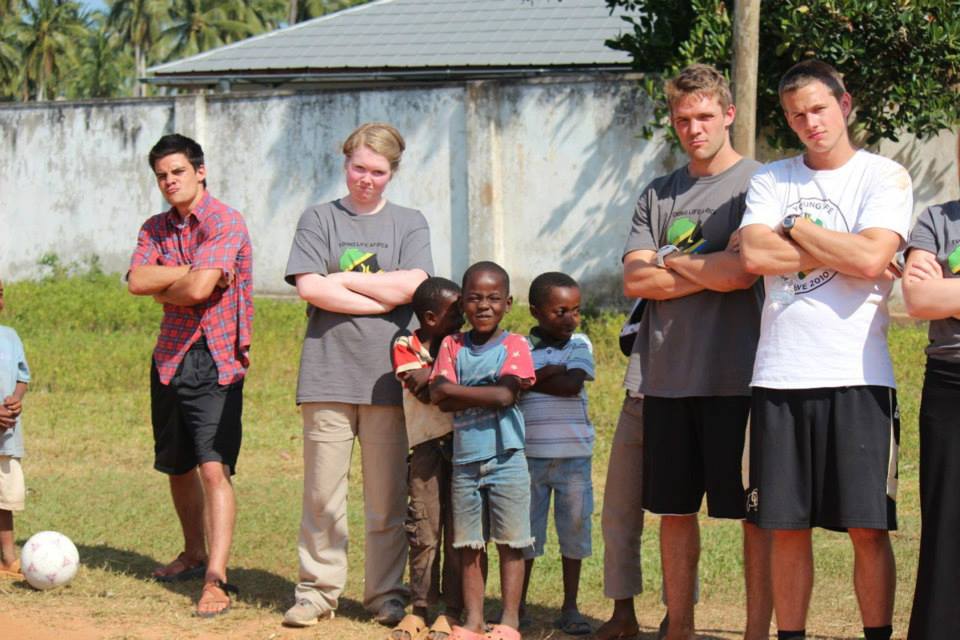
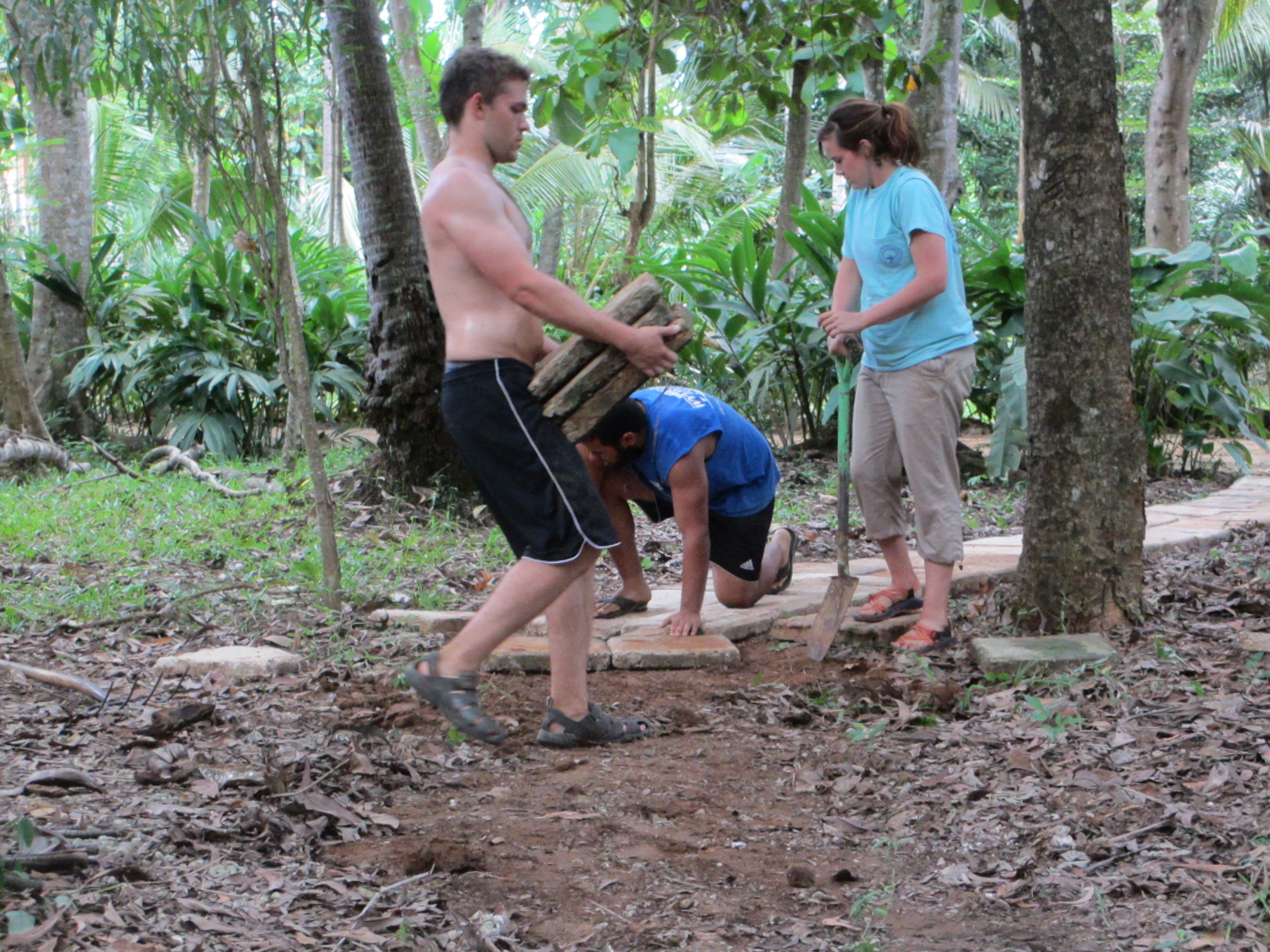
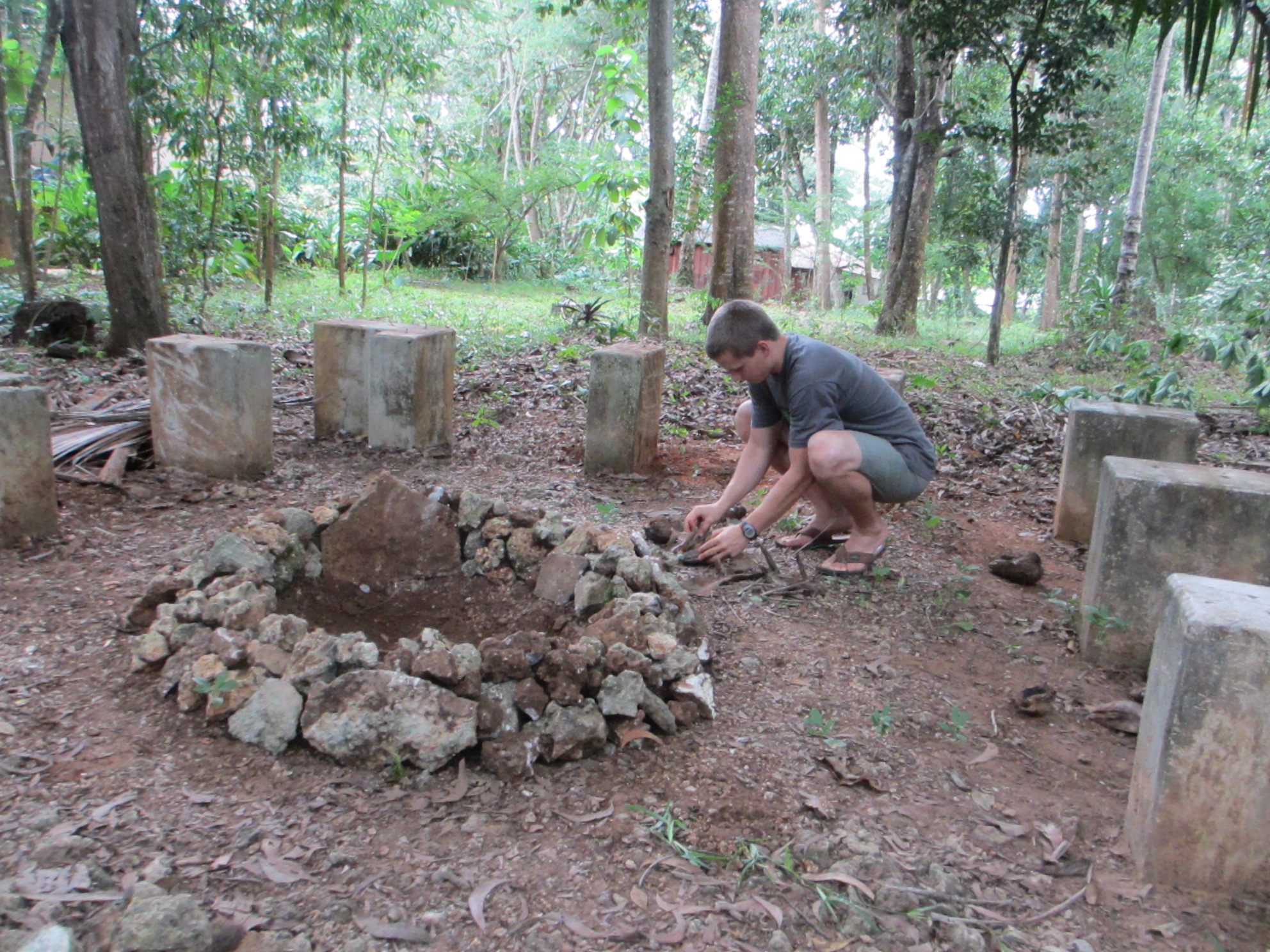
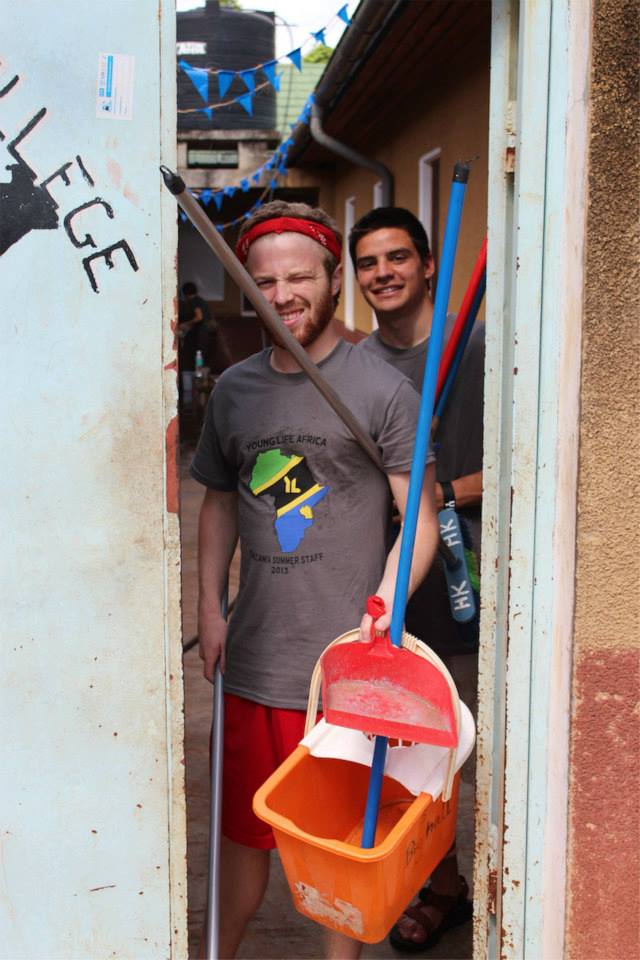
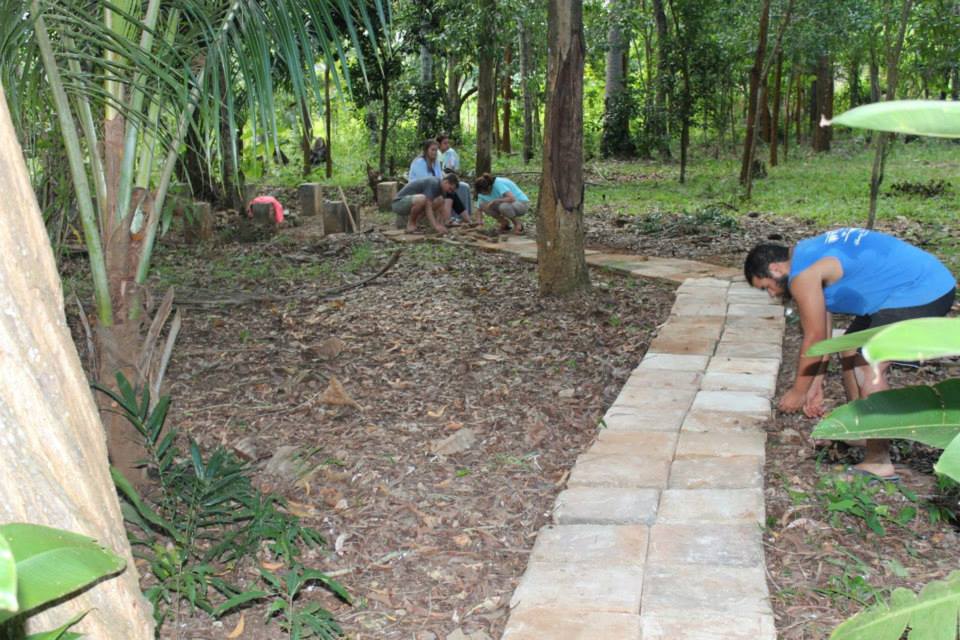
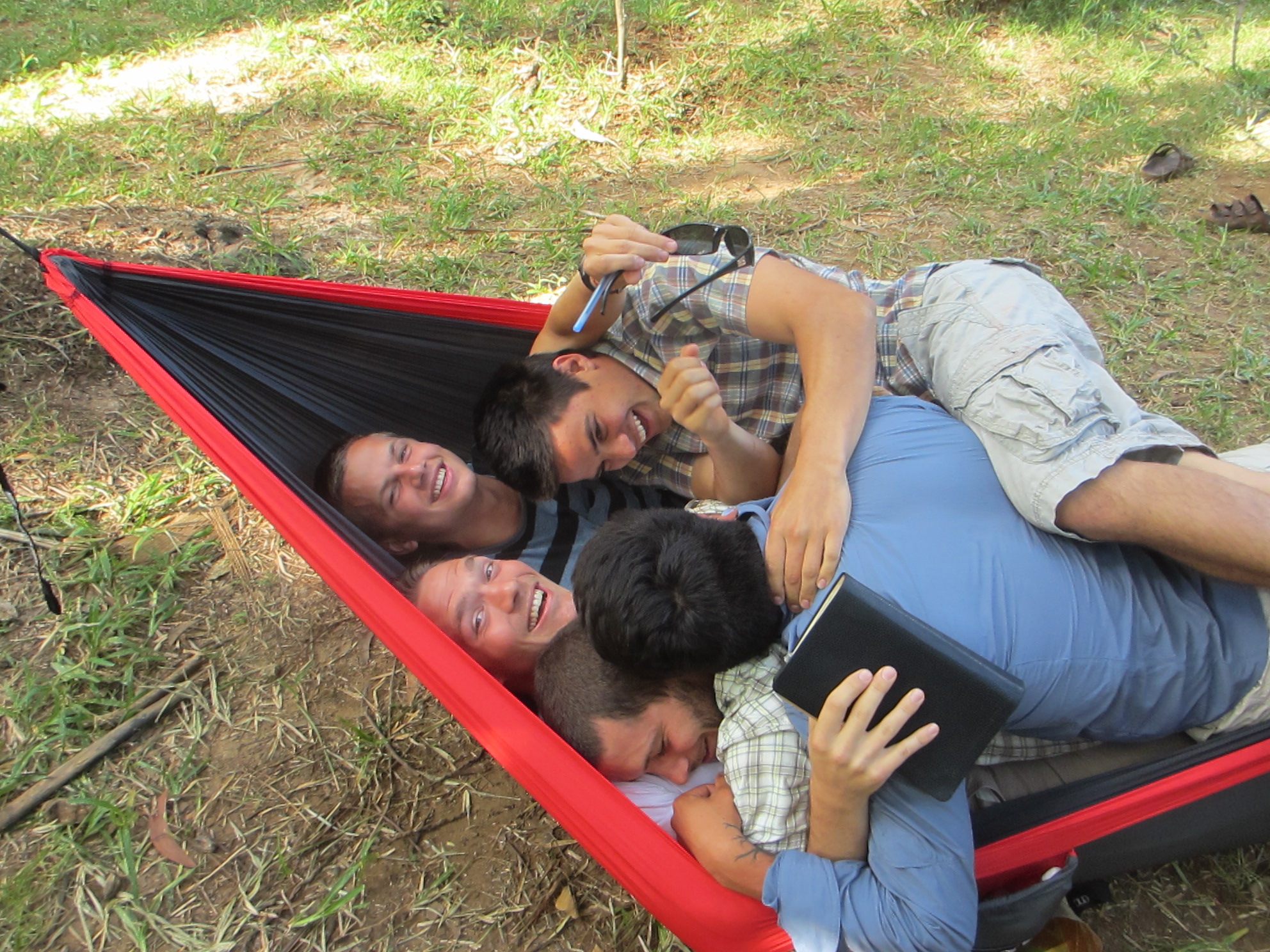
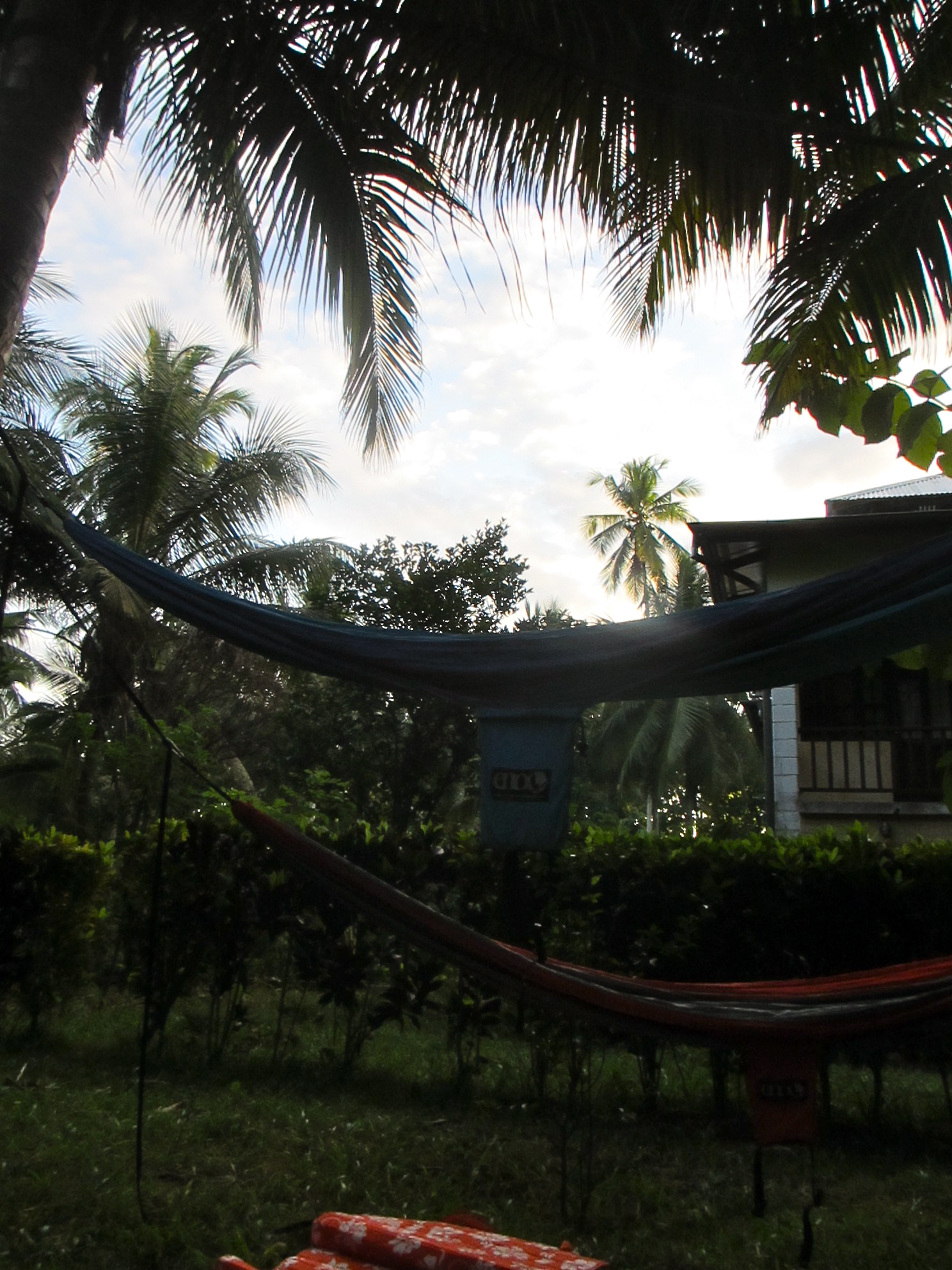
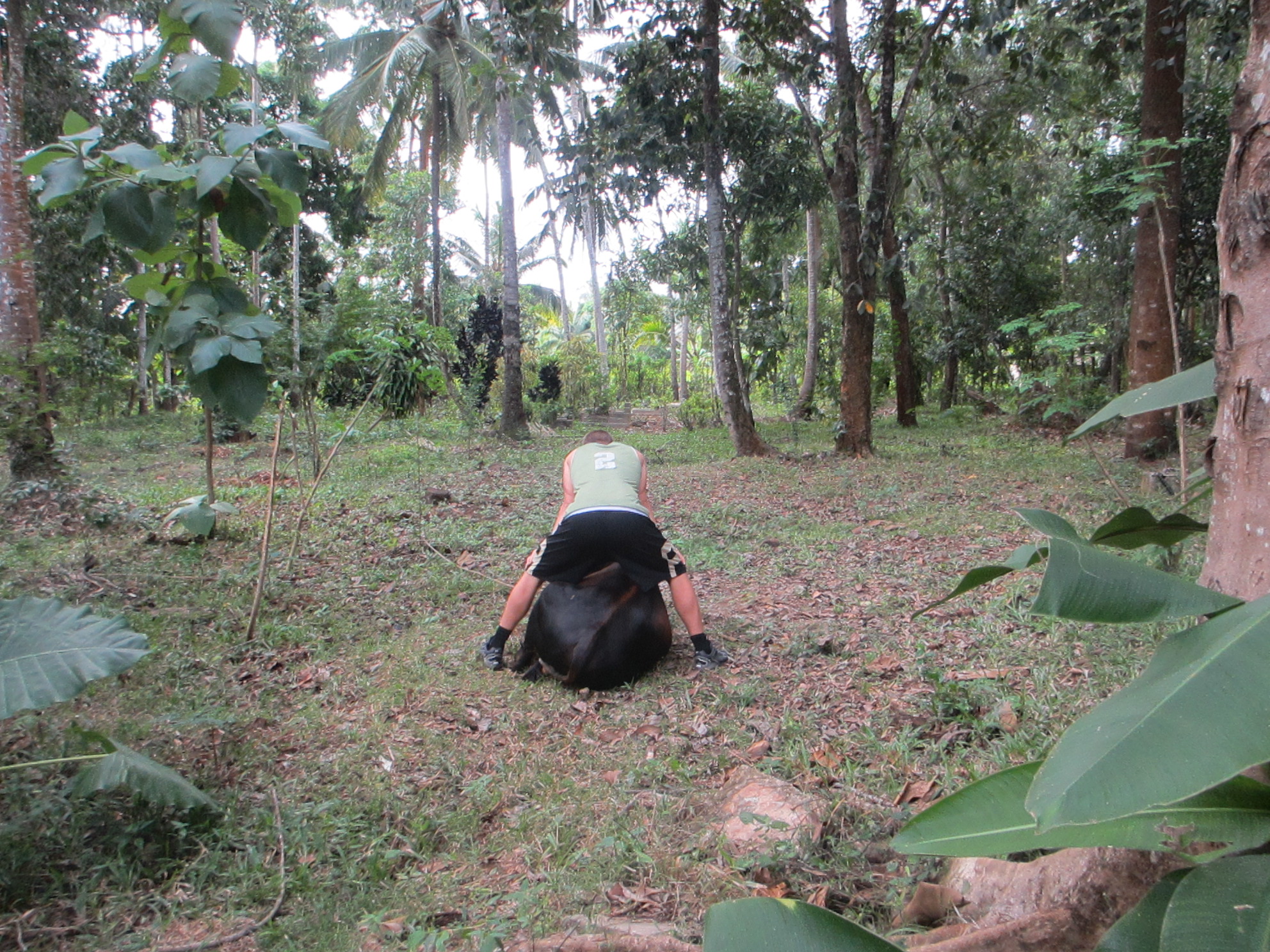
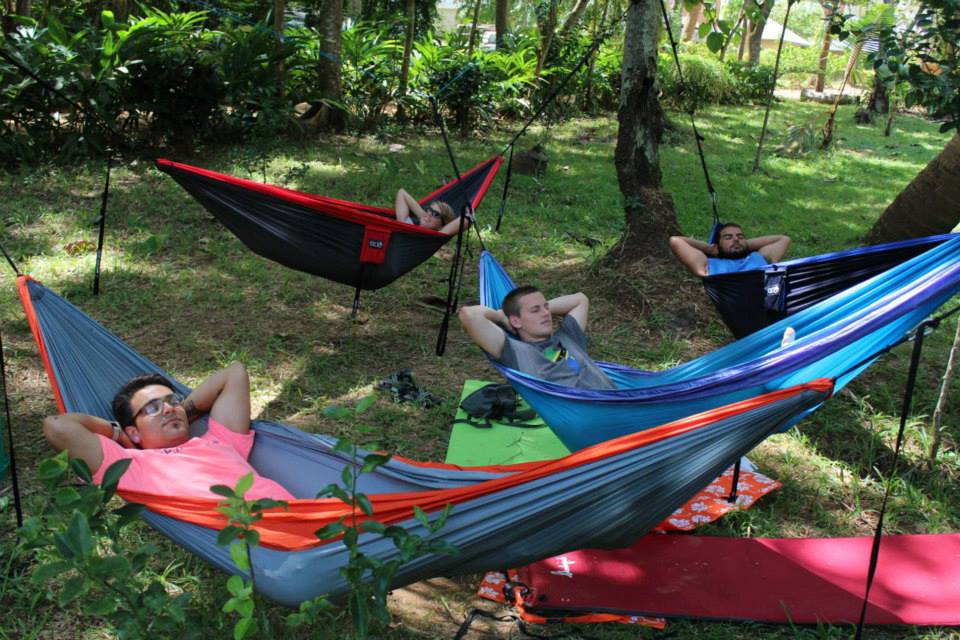
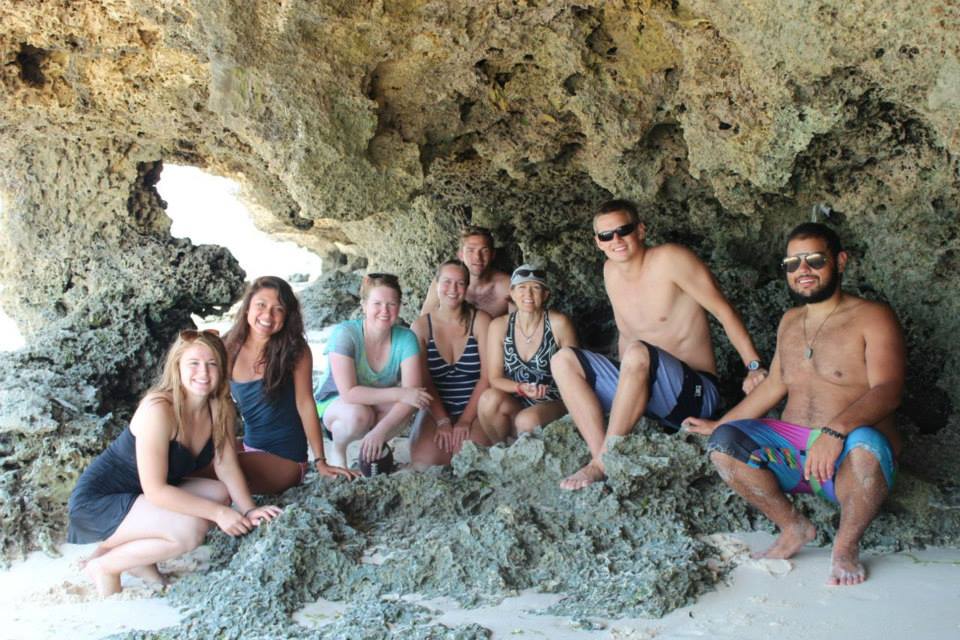
After long days, the team often lay or napped in our hammocks strung between trees, explored outside the village, sat by the newly-constructed fire pit (with fire!), explored a local beach, or simply continued to upkeep our temporary home, thankful to the Sisters who lived there permanently for being so kind.